Skip to content

Wedding photographer questionnaire template

This free wedding photographer questionnaire gathers everything you need six to eight weeks before the day: both partners' names and pronouns, key people, suppliers, timings, a first look, the family formals list, cultural traditions, accessibility needs, family sensitivities, must-have moments and a wet-weather plan. Copy it, adapt the questions to your style and send it to both partners.

Free questionnaire · 1,060 words · Updated 14 October 2026

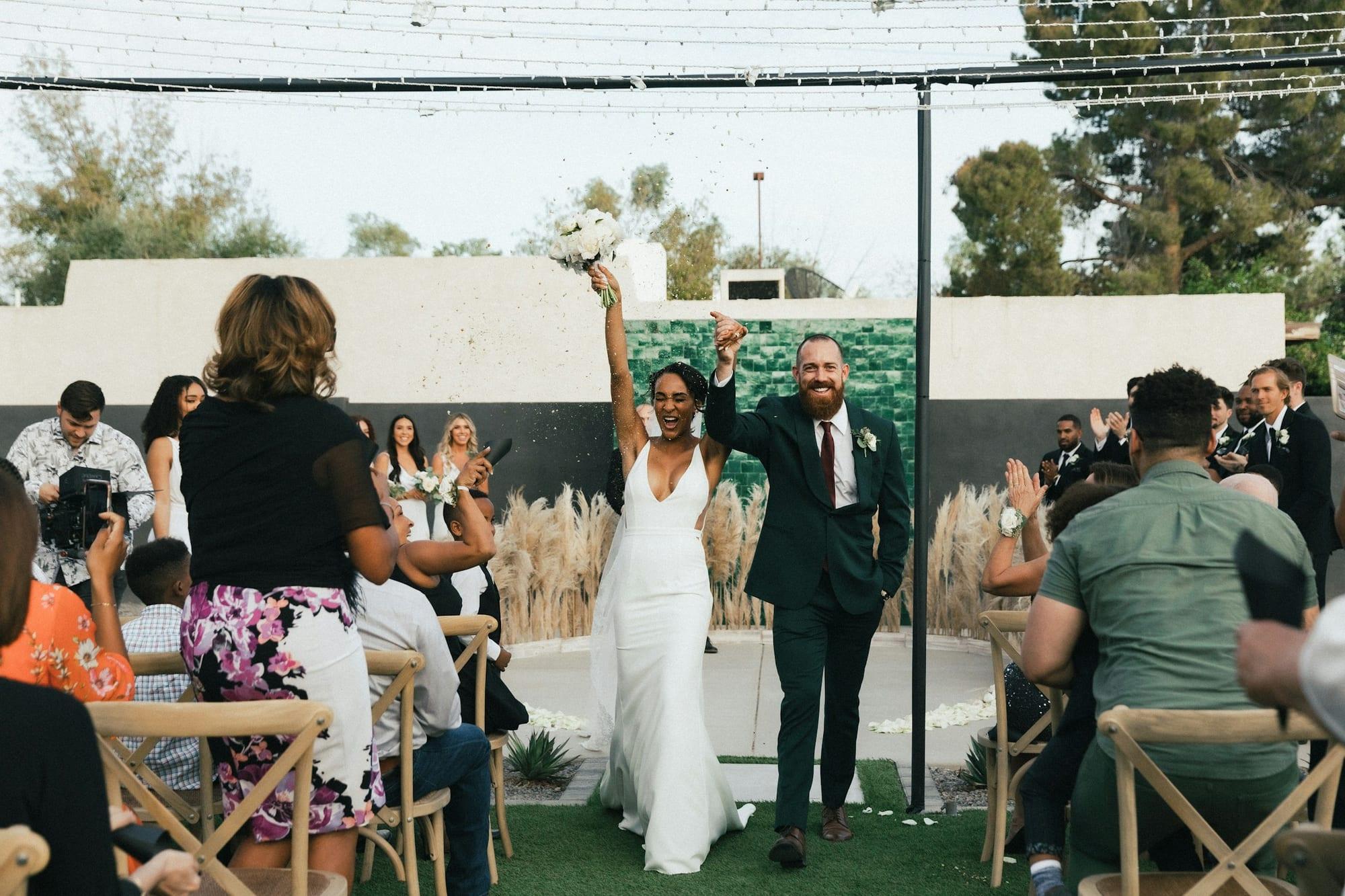
Smiling bride and groom with their guests on a grassy lawn

Photograph by Jakob Owens, via Unsplash.

How to use this questionnaire

Send it six to eight weeks before the wedding. By then most couples have booked their suppliers and have a rough running order, but there's still time to change things that affect the photographs, such as moving the family groups earlier or asking the venue about an indoor spot for rain. Ask for it back at least four weeks before the day, so you have time to draft a timeline and follow up.

  1. Send it to both partners. One may know the family politics while the other owns the spreadsheet. Ask them to fill it in together, or at least both read it before they send it back.
  2. Cut what doesn't apply. A small register office wedding doesn't need questions about a church, and a couple who told you their venue at enquiry shouldn't have to type it again. A shorter form gets better answers.
  3. Keep the family formals list realistic. Each group takes two to three minutes to gather and photograph, so 10 groups is around half an hour of the drinks reception. The template asks for 8 to 12 groups and names a helper who can round people up.
  4. Ask for moments, not a shot list. A long shot list copied from the internet turns the day into a checklist, for you and for them. Ask what matters instead: the grandparent who's travelled from abroad, the dog in a bow tie, the view they chose the venue for.
  5. Follow up sensitive answers by phone. Separated parents, bereavements and people who shouldn't stand together are easier to talk about than to type. The questionnaire gives couples a private place to flag them; a call is where you agree how to handle them.

What to watch for in the answers

  • Timings that don't add up. A 14:00 ceremony, a 40-minute drive and a 16:00 wedding breakfast leaves no time for confetti, groups or portraits. Point it out now, kindly, with a suggested fix.
  • Officiant and venue rules. Registrars, religious leaders and venues often limit where you can stand, whether you can use flash and what you can photograph during the ceremony. Ask the couple to check directly, and to tell you what they hear.
  • Names and pronouns. You'll be calling instructions all day. Use what the couple tell you here, and carry it through to captions and gallery titles.
  • Health, accessibility and religious details. These can be special category data under UK GDPR. Ask only for what you need to plan the photography, keep the answers secure and delete them when you no longer need them.

For the questions to ask at every stage, from enquiry to the final week, read questions to ask wedding clients before the day. Once the answers are in, turn them into a wedding photography timeline and send it back for the couple to approve.

In Caloreel, questionnaires go to both partners, use conditional questions so a civil ceremony skips the religious section, and save every answer onto the household's job, where you and your second photographer can see it on the day. See the household CRM.

The template · copy it, download it, or send it from Caloreel

Wedding Photography Questionnaire

For: [PARTNER 1 NAME] and [PARTNER 2 NAME]

Wedding date: [WEDDING DATE]

Please return by: [DATE, FOR EXAMPLE 4 WEEKS BEFORE THE WEDDING]

Thank you for taking the time to fill this in. Your answers help us plan your day, so that on the day itself we can photograph it rather than ask questions. Answer what you can, skip anything that doesn't apply, and let us know if anything changes. If a question is easier to talk about than write down, just put "call me" and we will.

1. About you both

Partner 1 Partner 2
Full name
Name you'd like us to use on the day
Pronouns
Mobile number
Email
Where you're getting ready (address)
Time you're getting ready from

How would you like to be described in your gallery and captions (for example "Sam and Alex", "the couple" or "the newlyweds")?

Answer: ____________________

2. Key people

Beyond your wedding party, who are the people you most want photographed? For example grandparents, godparents, a best friend or someone travelling a long way. Please tell us how we'll recognise them.

Name Relationship to you How we'll recognise them

Who is in your wedding party (for example best people, bridesmaids, groomsmen, ushers, flower children and ring bearers)?

Answer: ____________________

Who will be our contact on the day? Please choose someone who isn't either of you and who knows both families.

Name and mobile: ____________________

Who will help us gather people for the family groups? It can be the same person.

Name and mobile: ____________________

3. Venues and suppliers

Name Contact person Phone or email
Ceremony venue and address
Reception venue and address
Planner or venue coordinator
Registrar, celebrant or officiant
Videographer
Florist
Hair and make-up
Band or DJ
Other

Where should we park, and where will we eat during the wedding breakfast?

Answer: ____________________

4. Your timings

Approximate times are fine. We'll use them to draft a full timeline and send it back for you to check.

Part of the day Time Location and notes
Getting ready: Partner 1
Getting ready: Partner 2
First look (if you're having one)
Guests arrive
Ceremony starts
Ceremony ends
Confetti
Drinks reception
Wedding breakfast
Speeches (before or after the meal?)
Cake cutting
Evening guests arrive
First dance
Anything else planned (for example sparklers, a performance or fireworks)

Is there any travel between locations? If so, how long does it take, and who travels with whom?

Answer: ____________________

5. A first look

A first look is a private moment to see each other before the ceremony, usually followed by your couple portraits. It frees up time later, but some couples prefer to wait until the ceremony.

If yes, where and when, and would you like anyone else there?

Answer: ____________________

6. Family groups

Please list the groups you'd like, in order, with everyone's names. Each group takes two to three minutes, so we recommend 8 to 12 groups. We'll happily take informal groups of friends during the drinks reception. For example: "Both of you with Sam's mum Linda, stepdad Rob and brother Josh".

# Group Names
1
2
3
4
5
6
7
8
9
10
11
12

Does anyone need a chair, or to be photographed first so they can sit down (for example an older relative or young children)?

Answer: ____________________

7. Ceremony, culture and faith

What kind of ceremony are you having (for example civil, religious, humanist, celebrant-led or a mix)?

Answer: ____________________

Are there any traditions, rituals or customs we should know about? Please tell us what happens, in what order and what it means to you.

Answer: ____________________

Has your registrar, officiant or venue set any rules for photography, such as no flash, no photographs during the vows, or where we can stand? Please check with them directly.

Answer: ____________________

Is there anything we should do or wear out of respect, such as covering our heads or removing our shoes?

Answer: ____________________

Would you like an unplugged ceremony, with guests asked to put their phones away?

8. Accessibility

Does anyone in your wedding party or close family have access, mobility or sensory needs we should plan around? For example, a group photo spot without steps, a chair for longer groups, or someone who finds flash uncomfortable. Please share only what you and they are comfortable with.

Answer: ____________________

9. Family situations

Is there anything that would help us make the day easier for everyone? For example separated or divorced parents, people who shouldn't be photographed together, a recent bereavement, or someone you'd like to remember during the day. We'll keep this confidential, and we're happy to talk about it by phone instead.

Answer: ____________________

Is there anyone who would prefer not to be photographed, or whose photographs should not be shared publicly?

Answer: ____________________

10. Moments that matter to you

Rather than a shot list, tell us about the moments and details you care about most: a reading by a friend, a family heirloom, a surprise you've planned. We'll photograph the whole day as it unfolds, and knowing what matters helps us be in the right place.

Answer: ____________________

Is there anything you're nervous about, either about the day or about being photographed?

Answer: ____________________

11. If it rains

What is your wet-weather plan? Where will the ceremony, drinks reception and family groups move to?

Answer: ____________________

Would you step outside for a few minutes of portraits in the rain, with umbrellas?

12. Sharing your photographs

Your agreement records whether we may use your photographs publicly. If you said yes:

Do you have a wedding hashtag?

Answer: ____________________

Who should receive the link to your gallery?

Name Email
Main contact
Also send to
Also send to

Anything else?

Is there anything we haven't asked that you'd like us to know?

Answer: ____________________

Thank you. Please return this to [EMAIL] by [DATE]. We'll send your draft timeline within [NUMBER] days of receiving it.

[STUDIO NAME], [EMAIL], [PHONE]

Tips for better answers

  • Pre-fill what you already know. Names, the date, the venues and your coverage hours are already in your enquiry and contract. Nobody enjoys typing their venue address three times.
  • Send a reminder, not a chase. A friendly note a week before the deadline usually does it. If one partner has gone quiet, the other may simply be the one who does the admin.
  • Agree the timeline, then freeze it. Once the couple approve the draft timeline, ask them to share it with their planner, venue coordinator and videographer so everyone works from the same times.
  • Keep sensitive answers safe. Health, accessibility and religious details can be special category data under UK GDPR. Store the questionnaire securely, share it only with your team, and delete what you don't need once the gallery is delivered.

US notes

Change the vocabulary to suit your couples: "cocktail hour" for the drinks reception, "reception" or "dinner" for the wedding breakfast, "toasts" for speeches, and "wedding party" covers both sides. Many US weddings also have a rehearsal dinner the night before, which is worth adding if you offer coverage of it.

Questions,
answered.

When should I send a wedding photography questionnaire?

Six to eight weeks before the wedding, and ask for it back about four weeks before. By then suppliers and timings are mostly settled, but there is still time to adjust the plan, draft a timeline and follow up on anything sensitive by phone.

What should a wedding photographer questionnaire include?

Both partners' names, pronouns and contact details, key people and the wedding party, venues and suppliers, timings, whether they want a first look, the family groups list, cultural or religious traditions and rules, accessibility needs, family sensitivities, the moments that matter most, the wet-weather plan and who should receive the gallery.

How many family groups should a wedding have?

Around 8 to 12. Each group takes two to three minutes to gather and photograph, so 10 groups uses about half an hour of the drinks reception. Informal groups of friends can be taken later without a formal list.

Should couples give their photographer a shot list?

A list of must-have moments and people is more useful than a full shot list. Experienced photographers cover the expected parts of the day anyway, and a long list can turn the day into a checklist. Ask what matters most to them instead.

Is it appropriate to ask about family situations and health?

Yes, if you ask sensitively and only for what you need. Knowing about separated parents, a bereavement or a mobility need helps you avoid painful mistakes. Offer a phone call as an alternative, keep the answers confidential and store them securely.

Use it in Caloreel.

Start a free trial and this questionnaire is ready to send in your brand. Fourteen days, no card.