Questions to ask wedding clients before the day
Clients · Updated 30 August 2026 · 5 min read · By the Caloreel editorial team
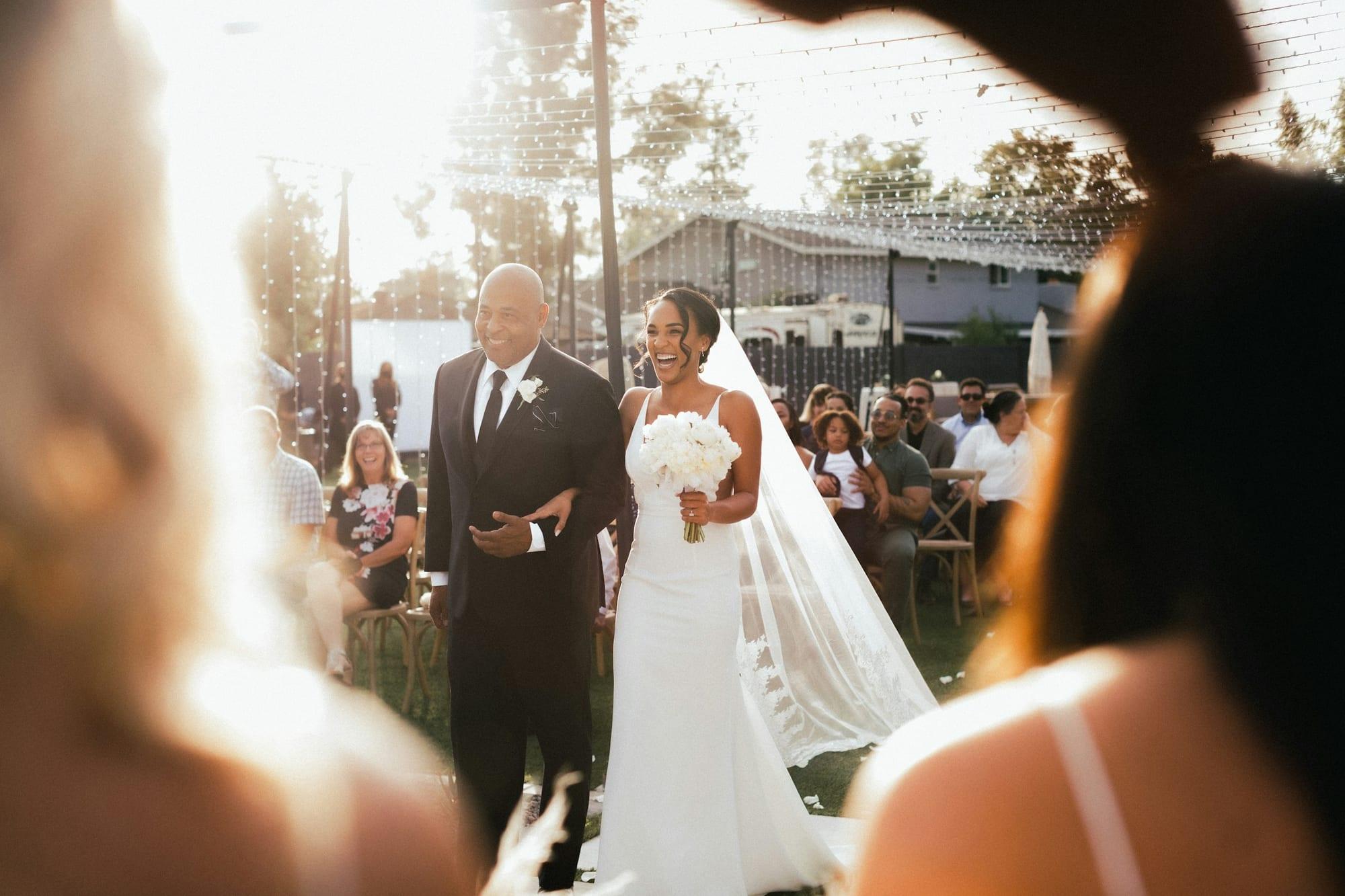
Photograph by Recardo Davidson, via Unsplash.
The short answer
Ask wedding clients questions in four stages. At enquiry, confirm the date, venues, coverage and what matters most to them. After booking, gather contacts and preferences. Four to six weeks out, settle the timeline, family formals, key people, suppliers, venue rules and traditions. In the final week, confirm timings, a day-of contact and the wet-weather plan.
Ask each question when the couple can answer it
The most common mistake is one long questionnaire sent the week after booking. A couple who booked a year ahead do not know their timeline yet, so they guess, and you end up asking again. Spread your questions across four stages and every answer arrives when it is real.
At enquiry and the consultation
These questions tell you whether you are the right fit and what to quote.
| Question | Why it matters |
|---|---|
| What is the date, and where are the ceremony and reception? | Availability, travel costs, and whether you already know the venue's light and rules |
| Roughly how many guests are you expecting? | Guides whether you need a second photographer and how long group photos will take |
| Which parts of the day would you like covered? | Sets the hours and package you quote |
| What drew you to my work? | Shows whether their expectations match your style |
| What matters most to you about the photographs? | Tells you where to spend your attention on the day |
| Is anyone else involved in decisions or paying? | Tells you who signs the contract and who receives invoices |
| Are you thinking about an album or prints? | Shapes the package now and print sales later |
Also ask how they feel about being photographed. Plenty of couples say they are awkward in front of a camera; knowing early lets you suggest an engagement shoot or plan a gentler, more documentary approach.
Straight after booking
Keep this stage light. The couple have just paid a booking fee and want to feel looked after, not handed homework.
- What are the best contact details for each of you? Send everything to both partners so neither is left out of the loop.
- Would you like a pre-wedding shoot, and when? It doubles as a rehearsal: they learn how you direct, and you learn how they move.
- Do you have a planner or venue coordinator? Get their details now. They will hold the master timeline.
- Are you happy for me to share photos from your wedding, and when? This confirms the portfolio consent in your contract, and whether sneak peeks can go online before the couple have posted their own.
- Is there anything you have seen and loved? Mood boards are useful for tone and colour. Treat them as a mood, not a shot list.
Four to six weeks before the wedding
This is the big one. Suppliers are booked, plans are settled and the timeline exists. Send a detailed wedding photographer questionnaire, then follow up by phone on anything sensitive.
The timeline
Ask for the time of each part of the day: preparations, ceremony start and length, drinks reception, meal, speeches (before or after the meal), cake and first dance. Ask whether they want a first look, and check the sunset time for portraits in good light. Then draft a wedding photography timeline and send it back for them to approve.
Why it matters: the timeline decides where you are, when, and whether there is time for portraits at all.
The family formals list
Ask for each group by name ("Sam with Mum, Dad and Grandma Jean"), not "immediate family". Each group takes a few minutes, so a long list eats into the drinks reception. Ask who will round people up: a confident friend or usher who knows both families.
Key people and sensitivities
- Who matters most beyond the wedding party: grandparents, godparents, a best friend?
- Is anyone unwell, recently bereaved, or being remembered in a special way?
- Are there family situations to know about, such as separated parents who should not be placed side by side?
Why it matters: these questions prevent the most painful mistakes of the day. Ask them by phone rather than in a form, and couples tend to answer more openly.
Suppliers
Ask for the planner, celebrant or officiant, videographer, florist, band or DJ, and venue coordinator. You will agree positions with the videographer, know who runs the timeline, and credit suppliers correctly when you share images.
Venue and ceremony rules
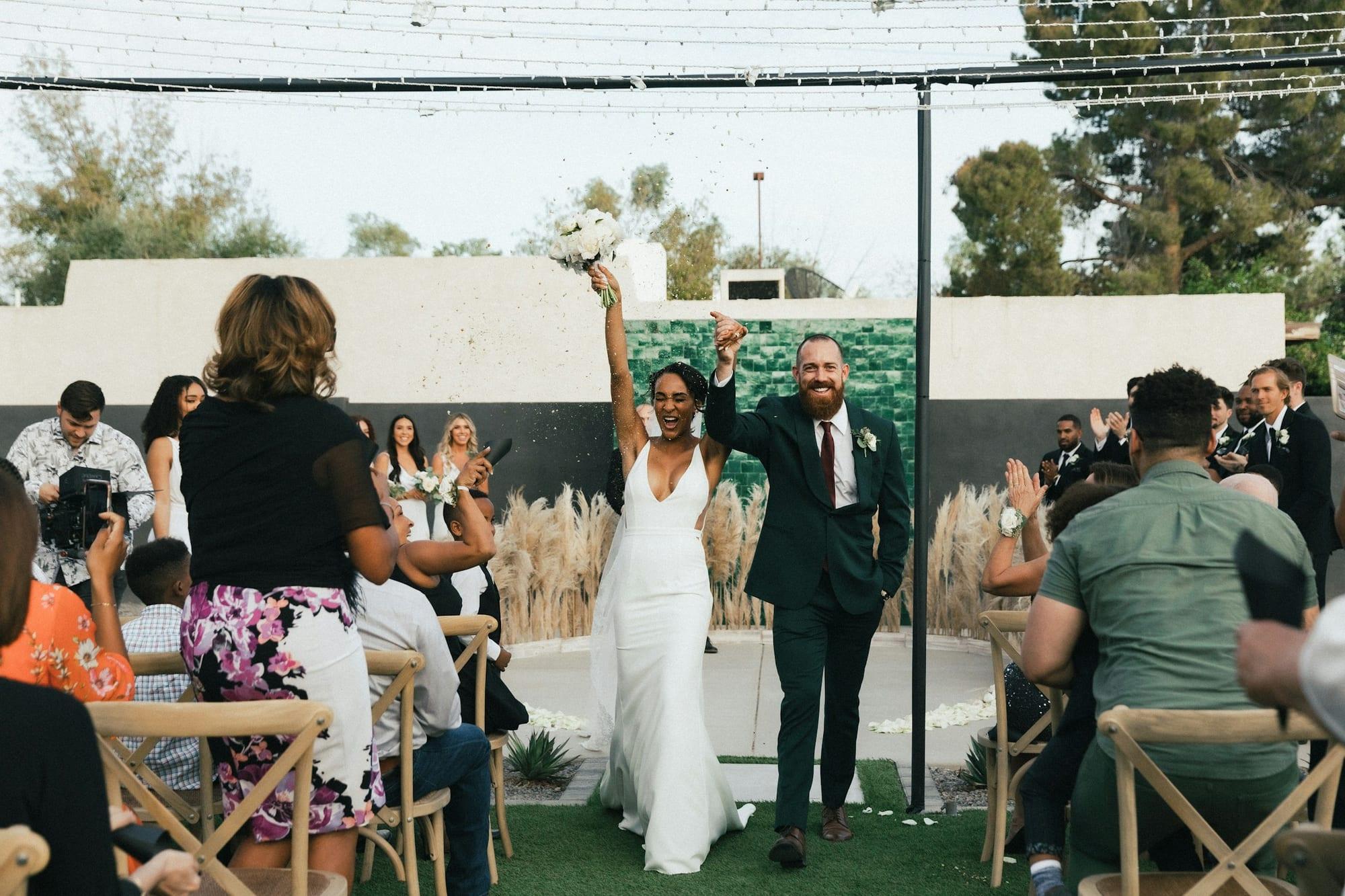
Ask whether there are restrictions on flash, where you can stand, or photography during the ceremony. Religious venues, officiants and registrars often set their own rules, so ask the couple to check directly. Ask about confetti too: whether it is allowed, and where.
Why it matters: you cannot negotiate with an officiant two minutes before the ceremony.
An unplugged ceremony
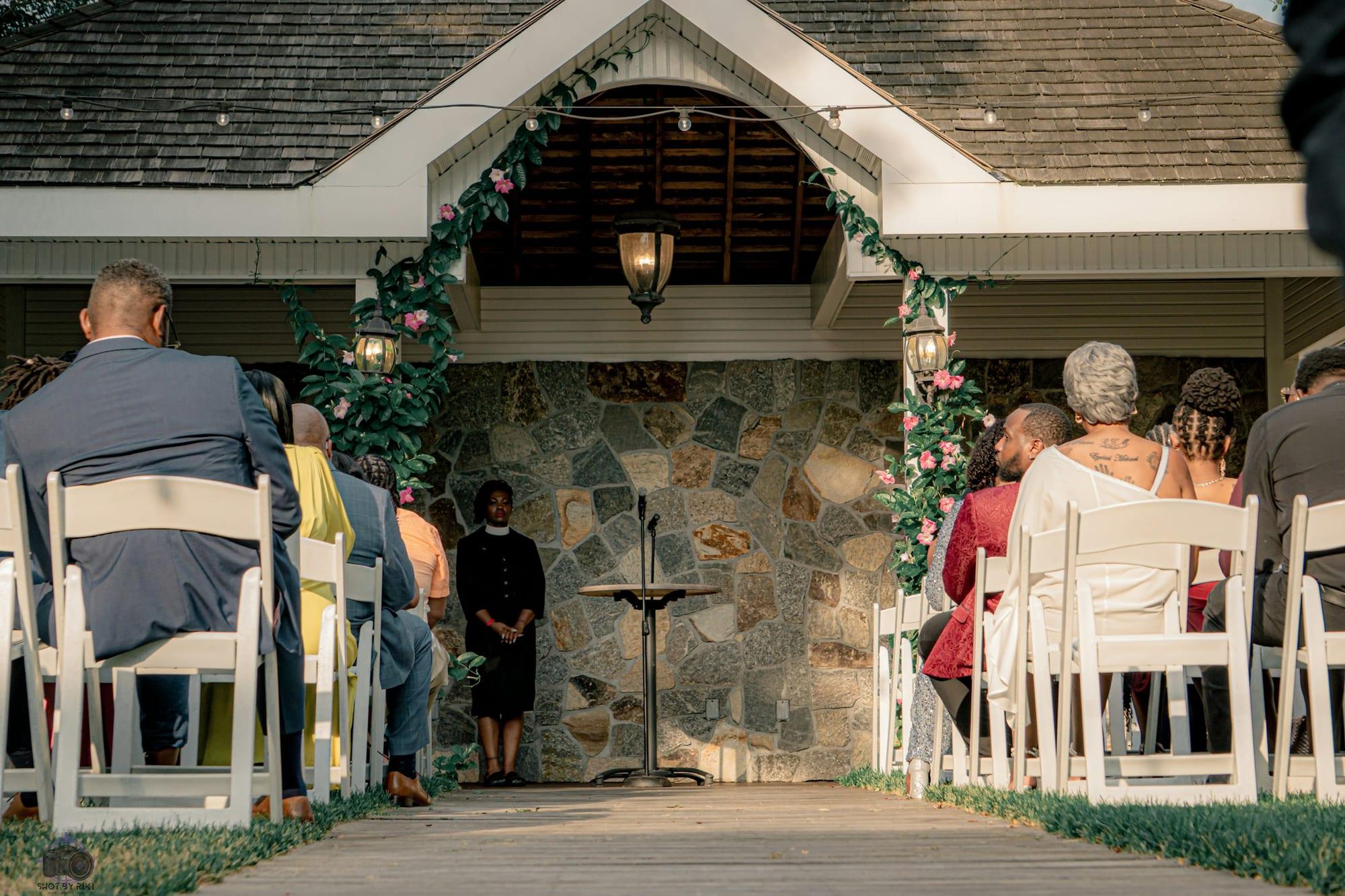
Ask whether they want guests to put phones away during the ceremony, and who will announce it: the officiant, a sign, or both. It keeps the aisle clear of outstretched arms, but it is their decision, not yours.
Cultural and religious traditions
Ask which rituals will take place, in what order, and what each one means to them. Ask whether any moment should not be photographed, and whether there are expectations of you, such as covering your head or removing your shoes.
Why it matters: you can only anticipate a moment you know is coming, and getting it right is a matter of respect as much as photography.
Accessibility needs
Ask whether anyone in the couple, wedding party or close family has mobility, access or sensory needs. You might choose a group photo spot without steps, bring chairs for longer formals, or avoid flash near someone who finds it uncomfortable. Health details are special category data under UK GDPR, so ask only what you need, store it securely and delete it after the wedding.
Names and pronouns
Ask how each partner, and anyone you will be directing, would like to be named, and which pronouns they use. You will be calling instructions all day, and defaults such as "bride", "groom" or "ladies" do not fit every couple or wedding party. Getting it right puts everyone at ease, and it carries through to your gallery titles and captions.
The week before
Make this a short call or message, not another form:
- Has anything in the timeline changed?
- Who is your contact on the day (not either of you), and what is their mobile number?
- What is the wet-weather plan, and where are the indoor spots for portraits?
- Any changes to the family list or key people?
- Where should I park, and where will I eat?
- Is there anything you are worried about?
Check the balance has been paid too, ideally through automatic invoice reminders rather than an awkward conversation days before the wedding.
Make it easy for couples to answer
- Send questions to both partners. One may know the family politics while the other owns the spreadsheet.
- Use conditional questions. A couple with a civil ceremony should not wade through questions about religious rituals. Caloreel's questionnaires support conditional questions and go to every contact on the booking.
- Pre-fill what you already know. Nobody enjoys typing their venue address three times.
- Keep sensitive topics for a phone call. Bereavements and family tension are easier to talk about than to write down.