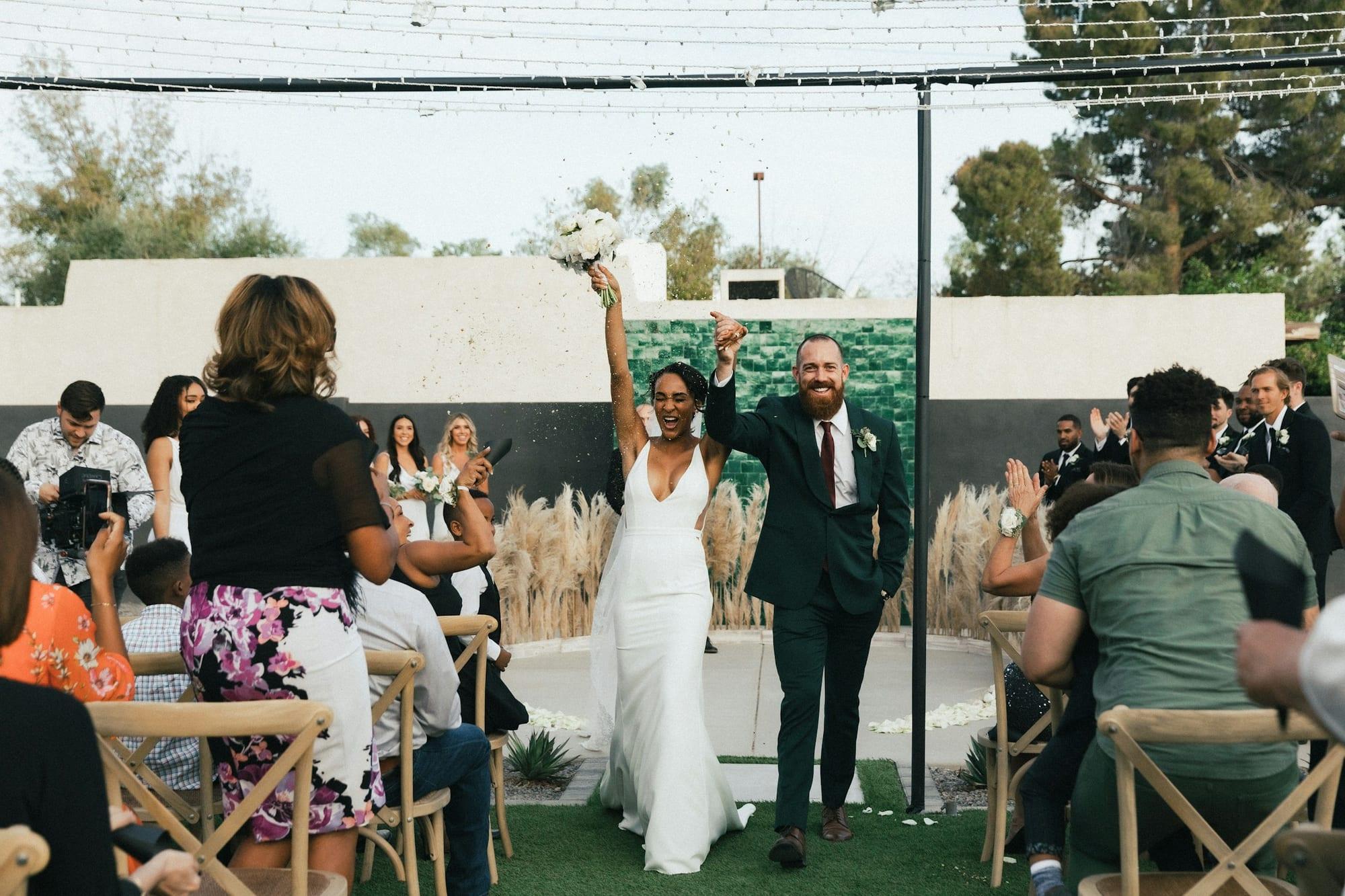
How long should wedding photos take to deliver?
Delivery · Updated 2 October 2026 · 5 min read · By the Caloreel editorial team
Photograph by Jakob Owens, via Unsplash.
The short answer
Most wedding photographers send sneak peeks within a week and the full edited gallery within four to twelve weeks, with six to eight weeks a common target. Peak-season weddings often take longer. Whatever you choose, write a specific maximum into your contract and meet it: couples forgive a long wait far more easily than a missed date.
Typical wedding photo delivery times
These are typical ranges across UK and US wedding photographers, not rules. Your own number should come from your workload, which we'll get to below.
| Deliverable | Typical timeframe | Notes |
|---|---|---|
| Sneak peeks | 1 to 7 days | 10 to 30 images, often sooner before a honeymoon |
| Full edited gallery | 4 to 12 weeks | 6 to 8 weeks is a common promise; peak season pushes towards the top |
| Album design, first draft | 2 to 6 weeks after selections | Start the clock when the couple sends their picks |
| Printed album | Several weeks after sign-off | Depends on the lab and the cover materials |
| Prints ordered from the gallery | 1 to 2 weeks | Lab production plus postage |
Delivering in under four weeks is achievable, especially with outsourced editing or in a quiet month. Beyond about three months, anxious emails start to arrive however good the result will be.
What drives turnaround
Culling
A full wedding day can easily produce several thousand frames, more with a second shooter. Narrowing them to the best of each moment is often the slowest stage for photographers who take it seriously, because it's where the story gets decided.
Editing
Colour, exposure, cropping and consistency across very different light. A dark reception room with mixed lighting takes far longer than an outdoor summer ceremony. Detailed retouching, such as skin work or removing an exit sign, adds hours on top.
Season and backlog
Turnaround is a capacity problem, not a per-wedding one. In the UK most weddings fall between May and September, so a July wedding joins a queue. Two weddings a weekend through the summer can generate more post-production each week than one person has hours to do it in.
Albums and extras
Album design depends on the couple choosing their images. Parent albums, extra print orders and slideshows all compete for the same editing hours.
Work out a turnaround you can actually keep
Rather than copying another photographer's "six weeks", work out your own:
- Time three recent weddings. Log culling, editing, exporting and gallery set-up separately.
- Count your peak. How many weddings do you shoot in your busiest weeks, and how many are booked for next season?
- Find your real weekly capacity. Be honest about the editing hours left once enquiries, consultations, shoots and admin are done.
- Compare demand with capacity. If more post-production arrives each week than you can do, the backlog grows all season.
- Add a buffer. Illness, a failed drive or a family emergency will happen eventually. An extra 20 to 25% is sensible.
Here's an illustrative example for a solo photographer:
| Input | Example |
|---|---|
| Post-production per wedding | 15 hours |
| Weddings per week in peak season | 2 |
| Editing hours available per week | 20 |
| Shortfall per week | 10 hours |
| Backlog after 12 summer weeks | 120 hours, or six weeks of editing |
In that example, an early-June wedding might be delivered within three weeks, while one at the end of August joins a six-week queue before it's even started. Either promise the longer figure all year, or close the gap in peak months by outsourcing.
One promise or two?
Some photographers state two turnarounds: say, six weeks for weddings between October and April and ten weeks from May to September. It's honest, and it rewards couples who book quieter dates. The downside is complexity: two numbers are easier to misremember, for you and for them. If you go this way, put the specific date range in the contract rather than "peak season", and confirm the exact deadline in writing the week after the wedding. If you'd rather keep one number, use the peak-season figure and enjoy delivering early in winter. Couples rarely complain about a gallery that arrives ahead of time.
How to state turnaround in your contract
Vague wording ("as soon as possible") helps nobody. Put a clear maximum for each deliverable in your wedding photography contract:
- Give a maximum, not an average. "Within 10 weeks" is a promise. "Usually 6 to 8 weeks" invites an argument in week nine.
- Start each clock on a fixed event. For the gallery, the wedding date. For the album, the date you receive final selections.
- Separate each deliverable. Sneak peeks, gallery, album and prints each get their own timeline.
- Cover genuine emergencies. A short clause allowing a reasonable extension for illness or events outside your control, with a commitment to tell the couple promptly.
Example wording: "A selection of preview images will be shared within 7 days of the wedding. The complete gallery of edited images will be delivered online within 10 weeks of the wedding date. Album design will begin once we receive your final image selections, and the first draft will be sent within 4 weeks of that date."
Adapt it to your own numbers, and keep it consistent with what your website and proposals say.
Keep couples informed while they wait
Most delivery complaints are really complaints about silence. A simple rhythm prevents them:
- The week after the wedding: a thank-you email, the sneak peeks and the confirmed delivery date.
- About halfway: a short "we're editing your ceremony now" update, ideally with one new image.
- A few days before delivery: a heads-up so they can set aside time to look properly, together.
- Delivery day: the gallery link, download instructions and the album selection deadline.
If you know you'll miss a date, say so early, give a new specific date and keep it. A small gesture, such as an extra print, helps. Telling a couple in week seven lands far better than apologising in week eleven.
A photography CRM makes that rhythm easier to keep. In Caloreel, for example, each wedding moves through pipeline stages such as Shot, Editing and Delivered, and a workflow can send the halfway update automatically, so nobody slips through the gaps in August.
Workflow habits that shorten turnaround
- Back up the night of the wedding, before you sleep. Nothing else can start until the files are safe.
- Cull within a few days, while you still remember which moments mattered.
- Edit in passes: global colour and exposure first, then scene by scene, then a final consistency check.
- Build presets for venues you return to and lighting you see often.
- Block editing days in your calendar and protect them like shoot days.
- Outsource in peak season if the maths says you can't keep up. Many photographers send culling or base edits to an editing service and do the final pass themselves.
- Save your gallery set-up as a template, so scenes, cover style and download settings are ready when the edit is.
When the gallery is ready, our guide to how to deliver wedding photos covers the handover itself, from download sizes to album deadlines.