How many photos should a wedding photographer deliver?
Delivery · Updated 15 September 2026 · 5 min read · By the Caloreel editorial team
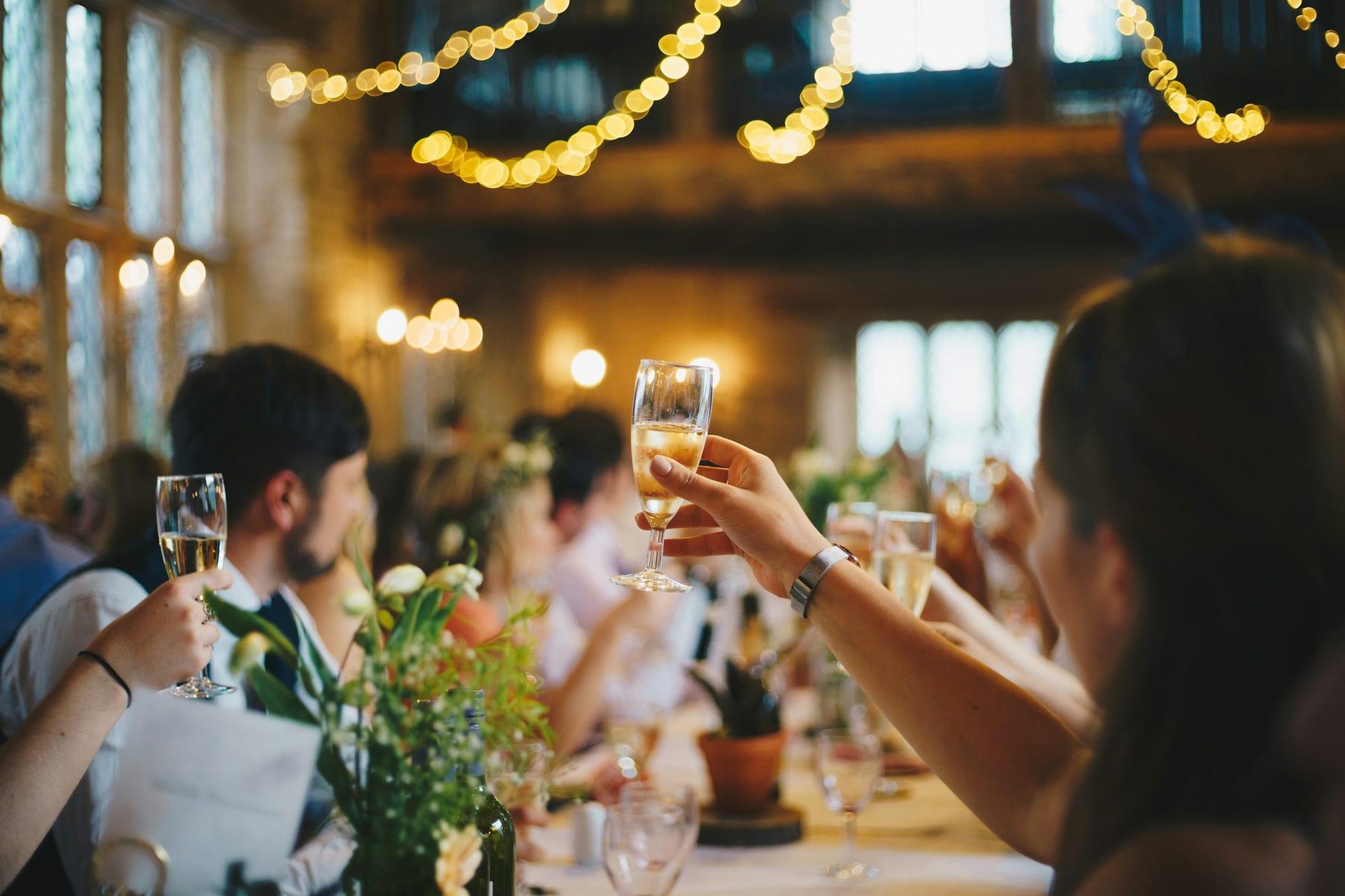
Photograph by Al Elmes, via Unsplash.
The short answer
A common rule of thumb is 50 to 100 edited photos per hour of coverage, so an eight-hour wedding typically produces 400 to 800 images. Your style matters more than the formula: documentary photographers tend to deliver more, editorial photographers fewer. Promise an approximate range in your contract, never a guaranteed number.
Typical number of wedding photos by coverage length
These ranges reflect common practice among UK and US wedding photographers. They're norms, not targets, and plenty of excellent photographers sit outside them.
| Coverage | What it usually covers | Typical delivered range |
|---|---|---|
| 2 hours | Ceremony, family photos and a short portrait session | 100 to 200 |
| 4 hours | Ceremony to the start of the wedding breakfast | 200 to 400 |
| 6 hours | Getting ready to speeches | 300 to 600 |
| 8 hours | Getting ready to first dance | 400 to 800 |
| 10 hours | Getting ready to the evening party | 500 to 1,000 |
| 12 hours or more | The full day, often with a second photographer | 600 to 1,200 |
Elopements and micro weddings often land at the top of the per-hour range, because almost every minute is worth photographing. Long days drift towards the bottom: the meal and the middle of the evening produce fewer keepers than the ceremony.
Why the numbers vary so much
Your style
A documentary photographer telling the story through candid moments will usually deliver more than someone who works in a posed, editorial way and delivers a tighter, magazine-style edit. Neither is better. What matters is that the number matches what the couple saw when they booked you.
The shape of the day
The wedding photography timeline affects the final number more than the clock does. A long ceremony, a big guest list, plenty of family groups and a lively dancefloor will produce more than an intimate day built around a long dinner.
A second photographer
A second shooter adds angles, the other half of getting ready and more guest candids. It rarely doubles the gallery, because you'll cull the moments you both covered.
Your culling standards
This is the biggest variable of all. Two photographers can shoot the same wedding and deliver 450 or 900 images, depending on how many near-duplicates they keep.
Quality over quantity
More isn't automatically more generous. A bloated gallery makes the couple scroll past ten versions of the same smile to find the one that matters, and it makes choosing album images harder.
Good culling isn't about hitting a number. It's about keeping every image that adds something:
- One frame per moment, unless a short sequence tells a story: the first look, a tear building, the confetti throw.
- Every family group you were asked for, using the version where everyone's eyes are open.
- Emotional beats technically perfect. A slightly soft frame of a grandparent laughing earns its place over a sharp but flat one.
- Remove near-duplicates ruthlessly, especially in portraits and details.
- Check for people, not just pictures. Close family and the wedding party should appear across the gallery, not only in the formals.
A useful test before export: would the couple notice if this image were missing? If not, and it doesn't add a different person or angle, let it go.
Check the balance, not just the total
Once the cull is done, look at how the gallery splits across the day. There's no correct ratio, but a rough guide like the one below makes lopsided edits easy to spot. These figures are illustrative, for an eight-hour wedding of about 600 images, not a quota.
| Scene | Rough share | Roughly |
|---|---|---|
| Getting ready | 10 to 15% | 60 to 90 |
| Details | About 5% | About 30 |
| Ceremony | 15 to 20% | 90 to 120 |
| Family and group photos | 5 to 10% | 30 to 60 |
| Couple portraits | 10 to 15% | 60 to 90 |
| Drinks reception | About 15% | About 90 |
| Meal and speeches | 10 to 15% | 60 to 90 |
| Evening | 10 to 15% | 60 to 90 |
If you find 200 drinks-reception candids and 50 ceremony images, the cull probably isn't finished. The ceremony and portraits are what most couples come back to, so they should feel complete, while the reception can be told in fewer, stronger frames.
How to phrase it in your contract
Never promise an exact number. The day decides how many good photographs exist, and a fixed figure invites either padding or a dispute. Use an approximate range, explain what it depends on, and say what "edited" means.
Example wording: "You will receive approximately 500 to 700 edited images from 8 hours of coverage. The final number depends on the events of the day, the timings and the number of guests. Every delivered image is individually edited for colour and exposure. Unedited images and RAW files are not supplied."
A few points worth adding:
- Define the editing included, and price detailed retouching (removing objects, skin work) separately.
- Say that you make the final selection. It's your professional judgement, and it's part of what couples pay for.
- Avoid minimums, or keep them very conservative and don't lean on them when you're selling.
Use the same wording in your wedding photography contract and your package descriptions, so there's only one version of the truth.
Should image counts appear in your packages?
Some photographers list "500+ images" on every package. It's tempting, because couples like a number they can compare. The risk is that you end up selling volume: couples start comparing photographers by count, and you feel pressure to pad a quiet wedding to reach the figure. Selling coverage hours and what's included (a second photographer, an album, an engagement shoot) keeps the conversation on outcomes. If you do quote numbers, show the range and repeat that it's approximate.
Set expectations before the wedding
Most "is that all?" reactions come from a gap between the sales conversation and the delivery.
- Show complete galleries at the consultation, not only your highlights, so couples see what a real wedding looks like from start to finish.
- Quote the range in your proposal, and again in your pre-wedding email.
- Explain your culling in a sentence: "I deliver the best version of every moment, not every frame I take."
- Deliver with a short note on how the gallery is organised and how to choose favourites.
When a couple asks for "all the photos"
It happens, and it usually means someone or something feels missing. Ask what they're looking for before you respond. Often it's a particular person or moment, and you may have a usable frame you set aside for a minor technical reason. Editing and adding a handful of images costs you little and answers the real worry.
If they want every unedited file, point back to the contract and explain, kindly, that unedited frames aren't finished work and don't represent what they booked.
Organisation helps here too. A couple who can jump straight to "Family photos" or "Evening" is far less likely to think anything is missing. Client galleries with scenes and per-person favourites make a large wedding easier to browse, and make it simple for each partner, and each parent, to keep their own shortlist.